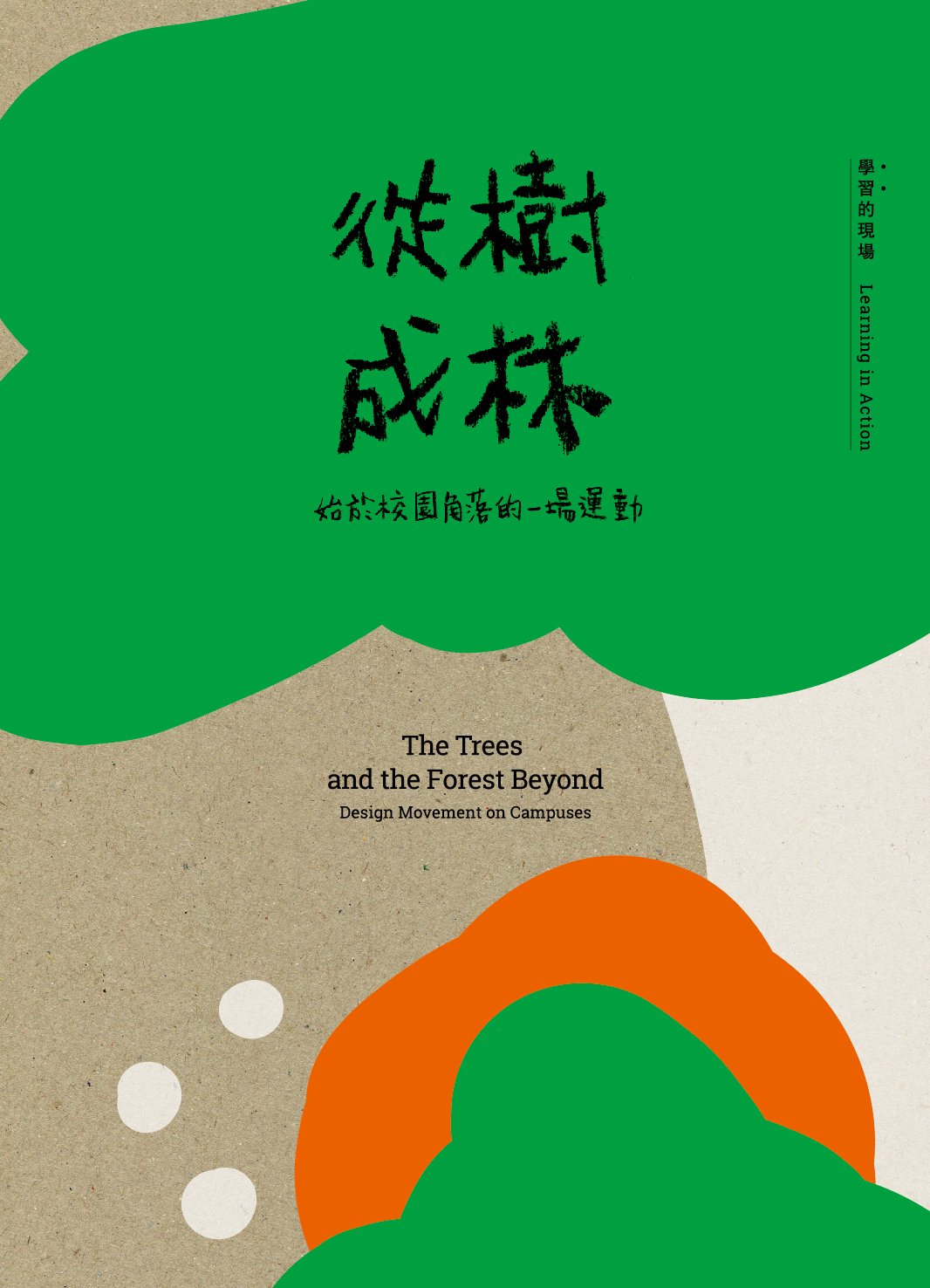
The Trees and the Forest Beyond: Eight Years of Design Movement on Campuses
From Curriculum to Space: 8 Years, 143 Schools, Transforming Learning Environments and Teaching Together
With the implementation of the 12-year Basic Education, learning has gradually shifted from knowledge transmission toward inquiry, collaboration, and hands-on practice, calling for campus spaces to respond to new approaches to teaching and learning. Since 2019, the Ministry of Education has commissioned the Taiwan Design Research Institute to implement the Design Movement on Campus (DMOC). Starting from schools’ teaching and everyday needs, the program brings educators, design professionals, and students into dialogue, enabling spatial configurations to respond to curriculum development, teacher-student interaction, and campus culture. Now entering its 8th year, the program has supported the transformation of learning spaces in 143 schools.
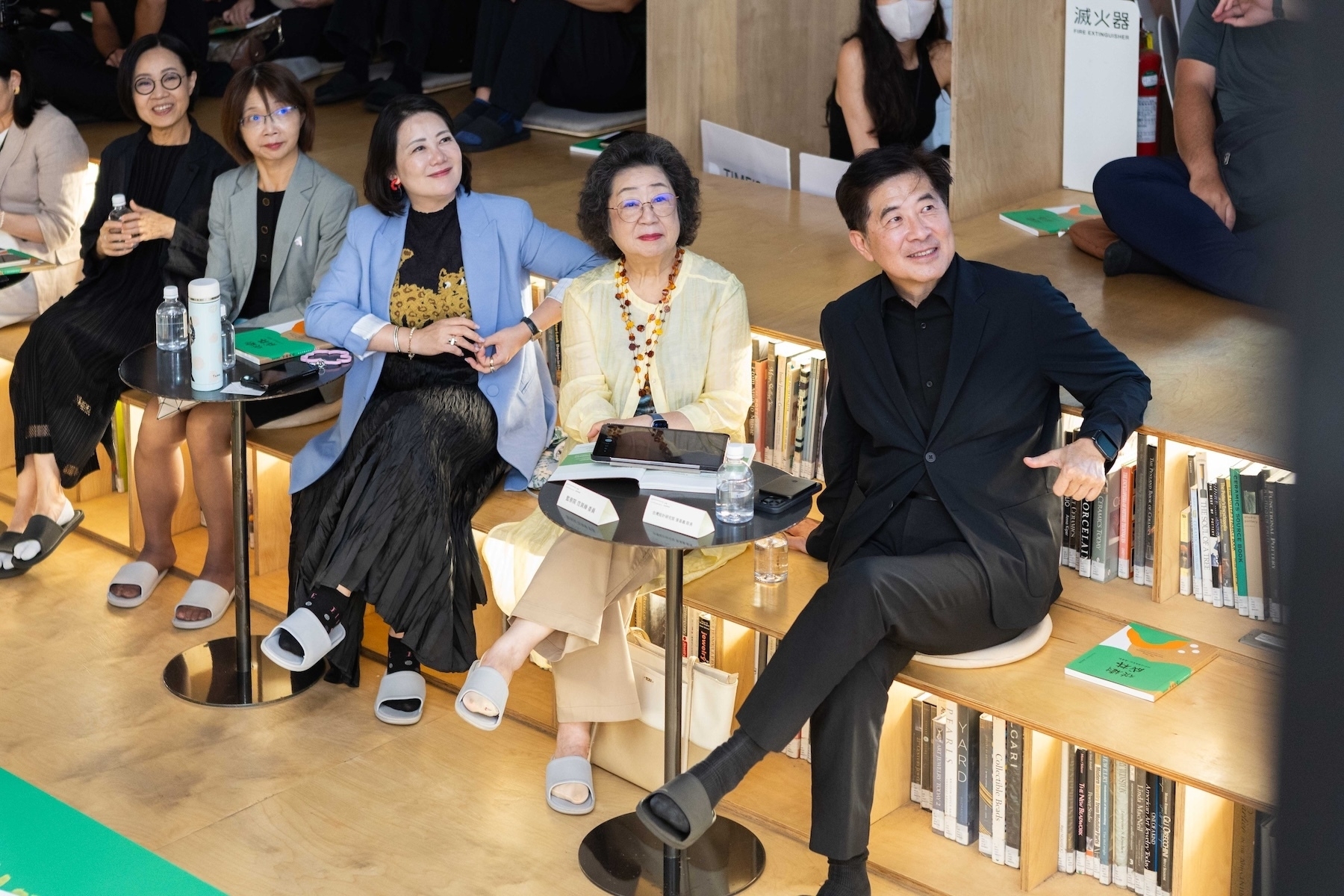
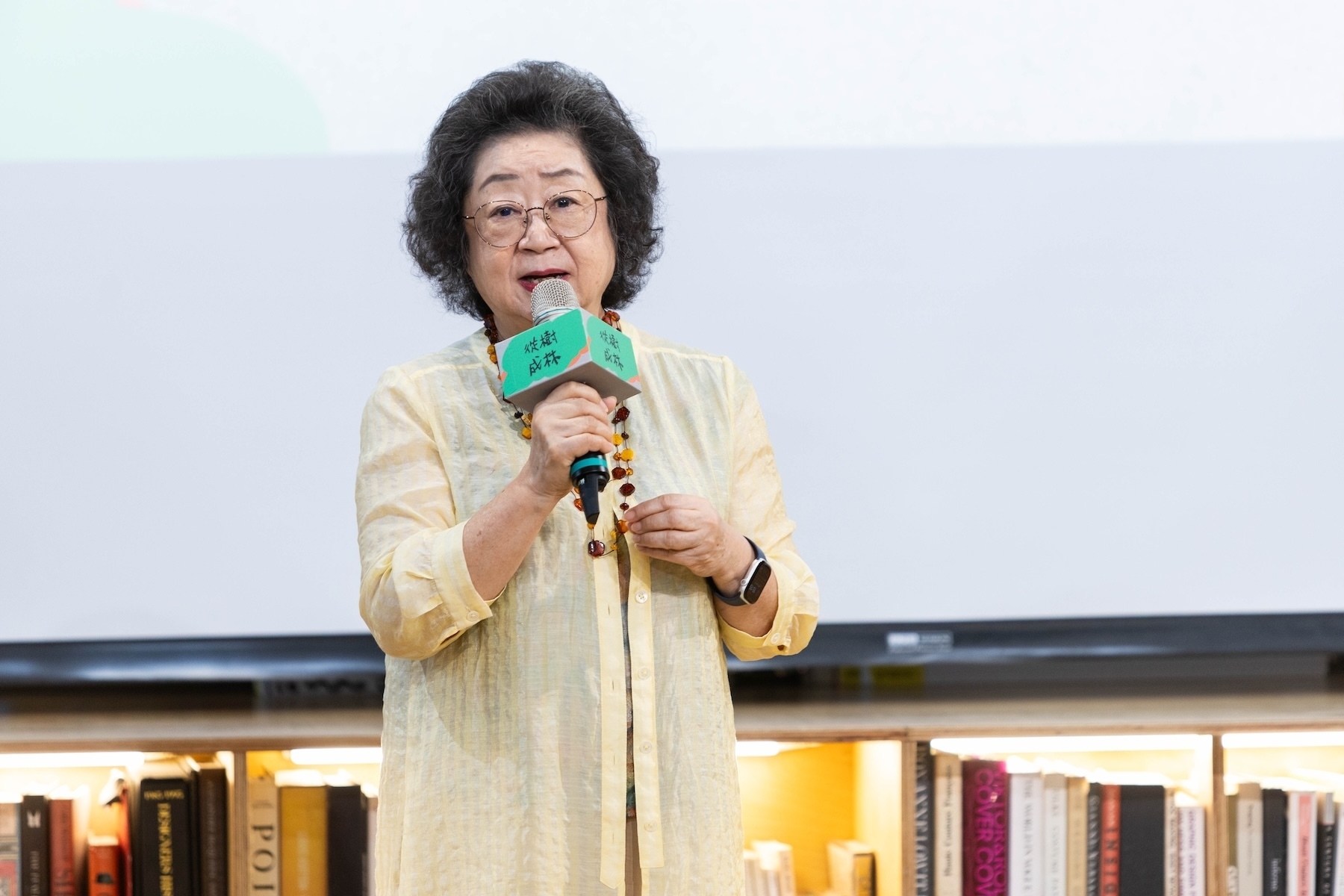
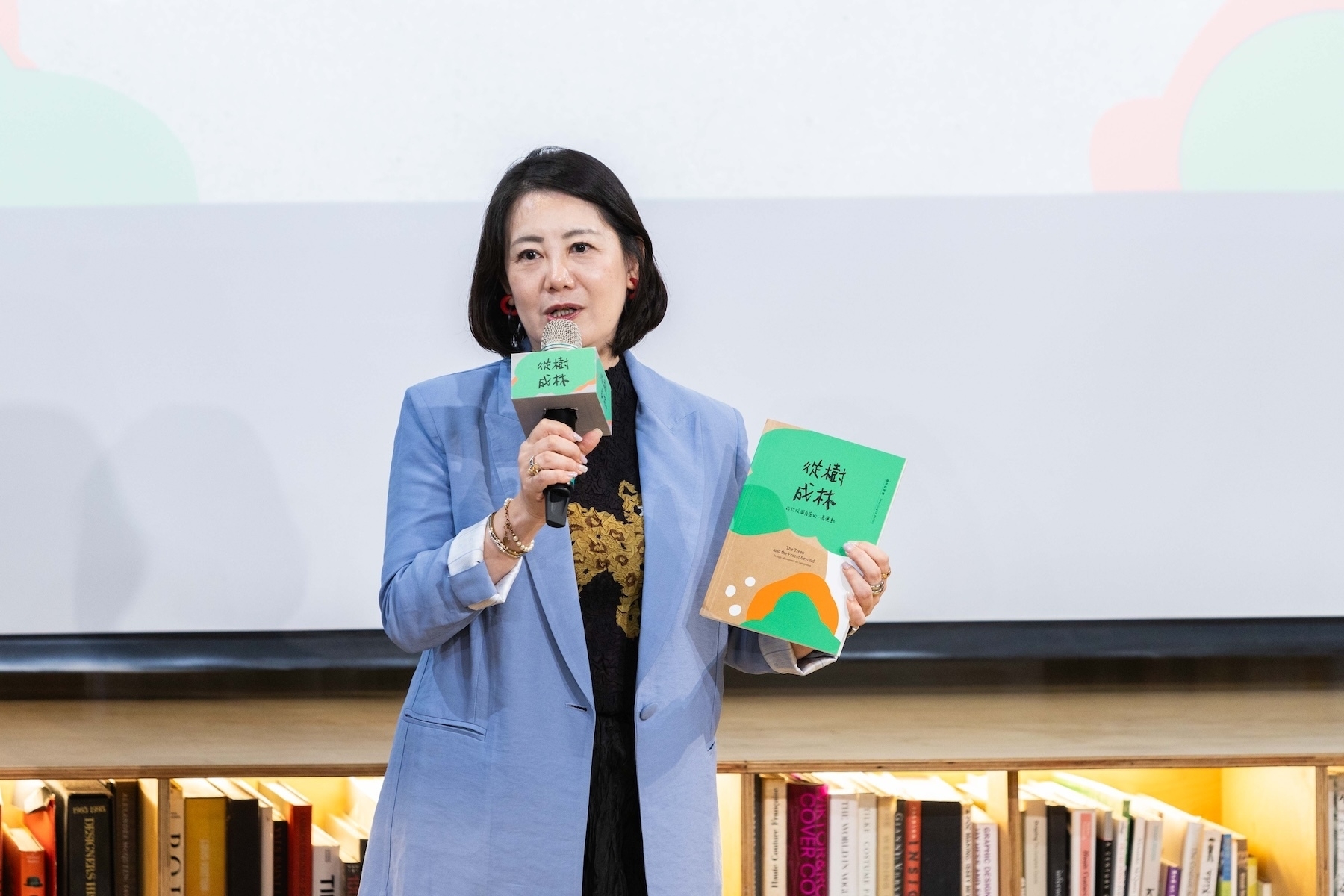
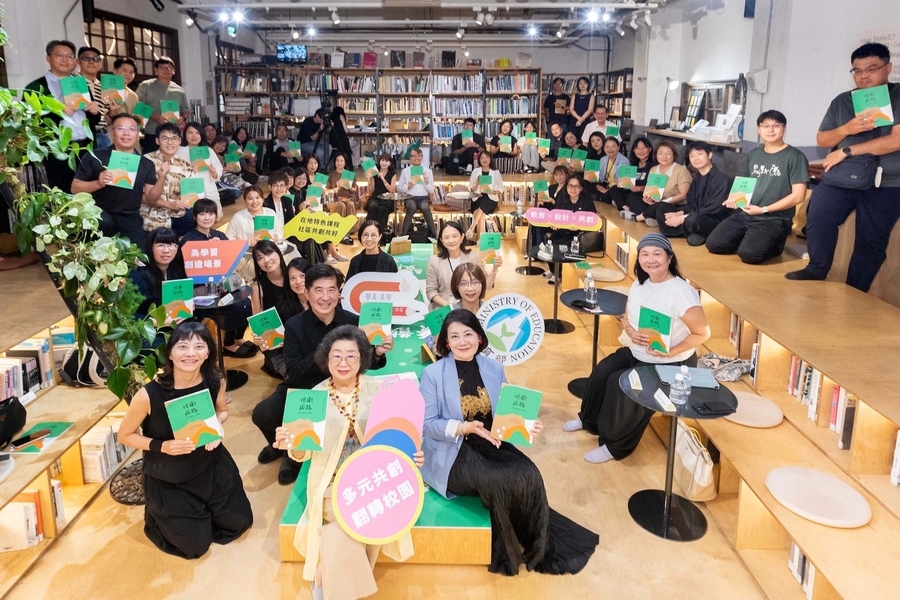
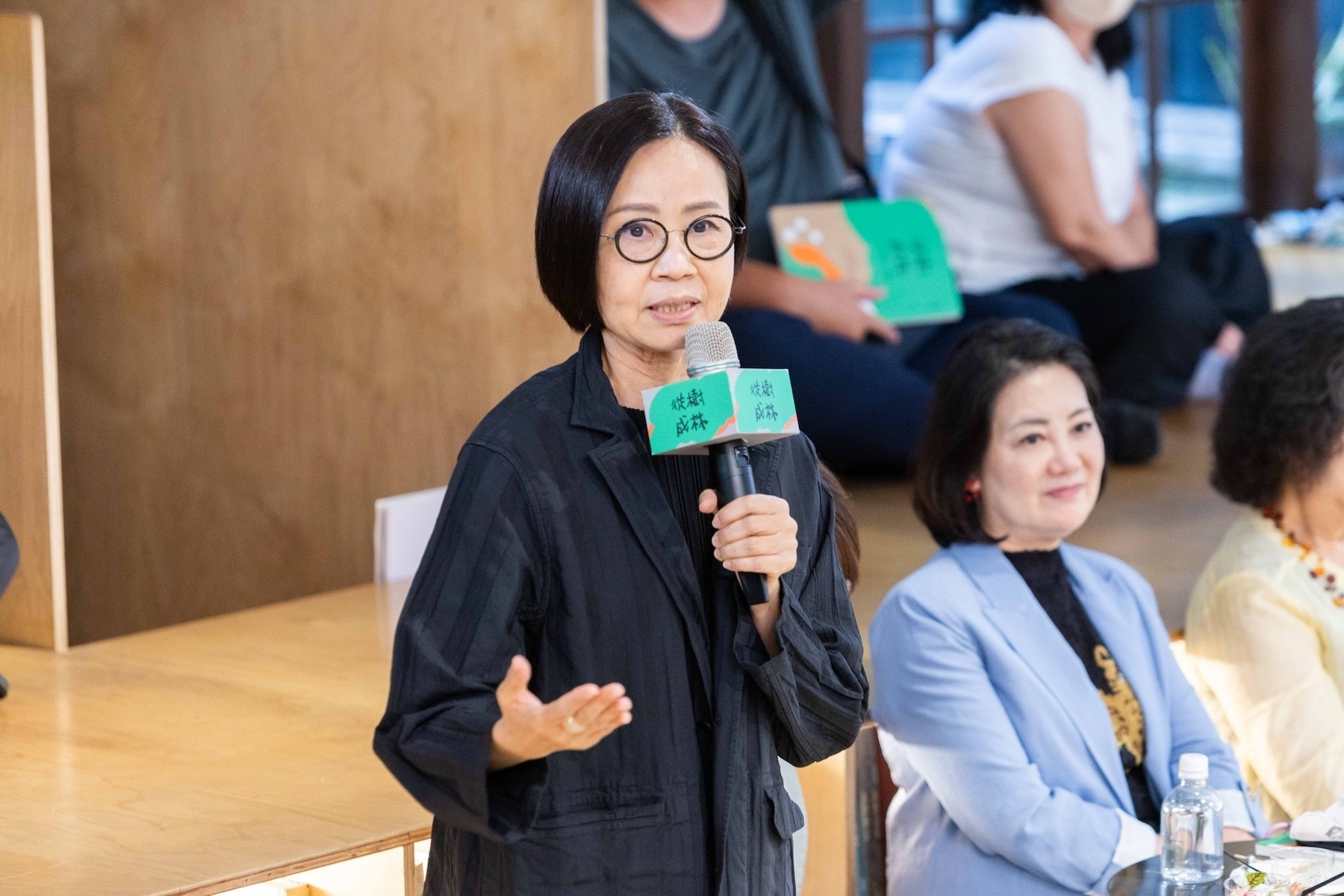
To look back on this journey of design practice for aesthetic learning environments on campuses, the Ministry of Education and the Taiwan Design Research Institute have jointly published The Trees and the Forest Beyond: Design Movement on Campuses, the first book in a series documenting the program’s work in campus aesthetics. A book-sharing event was held on August 25 at Not Just a Library, Taiwan Design Research Institute. The event brought together important partners who have long supported and participated in DMOC, including Legislator Wu Szu-yao and former Control Yuan Member Fan Sun-lu, as well as principals and teachers from schools on the front lines of education. Together, they revisited the question of what happens after completion—how spaces continue to shape curriculum, teacher-student relationships, connections with local communities, and the ways schools envision themselves.
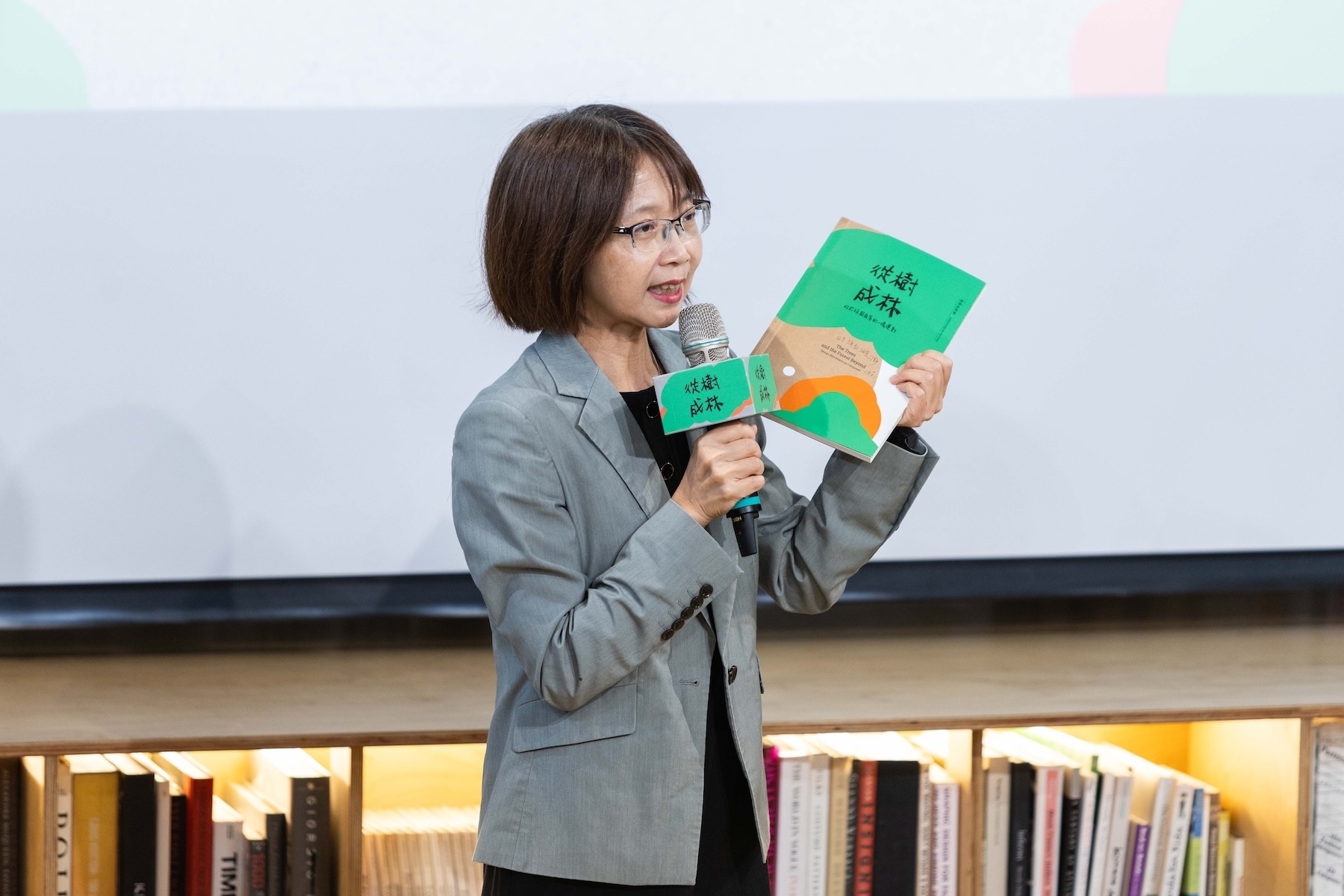
Wu Hsiao-hsia, Director-General of the Department of Teacher and Art Education, Ministry of Education, noted that the 5-Year (Medium-to-Long Term) Plan for Aesthetic Education (2024–2028) began by laying a foundation through curriculum and teaching, as well as teachers’ professional knowledge and competencies, and gradually incorporated learning environments into its overall efforts. Now in its 3rd phase, the plan places greater emphasis on local connections, global perspectives, and sustainable practice. As approaches to learning change, learning environments must evolve alongside them. Campus spaces are not merely backdrops for educational activities; they are an essential foundation for turning educational ideas into practice.
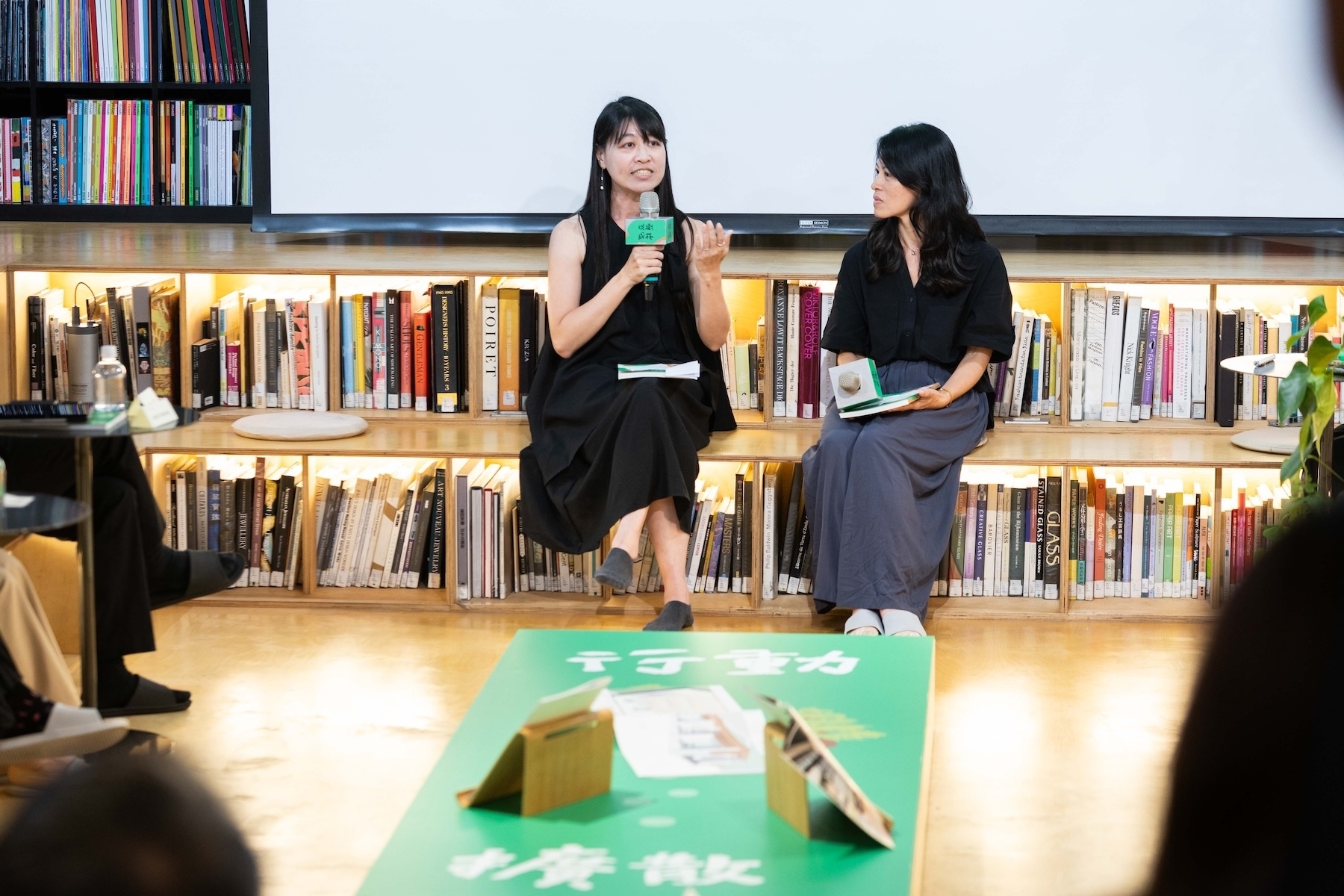
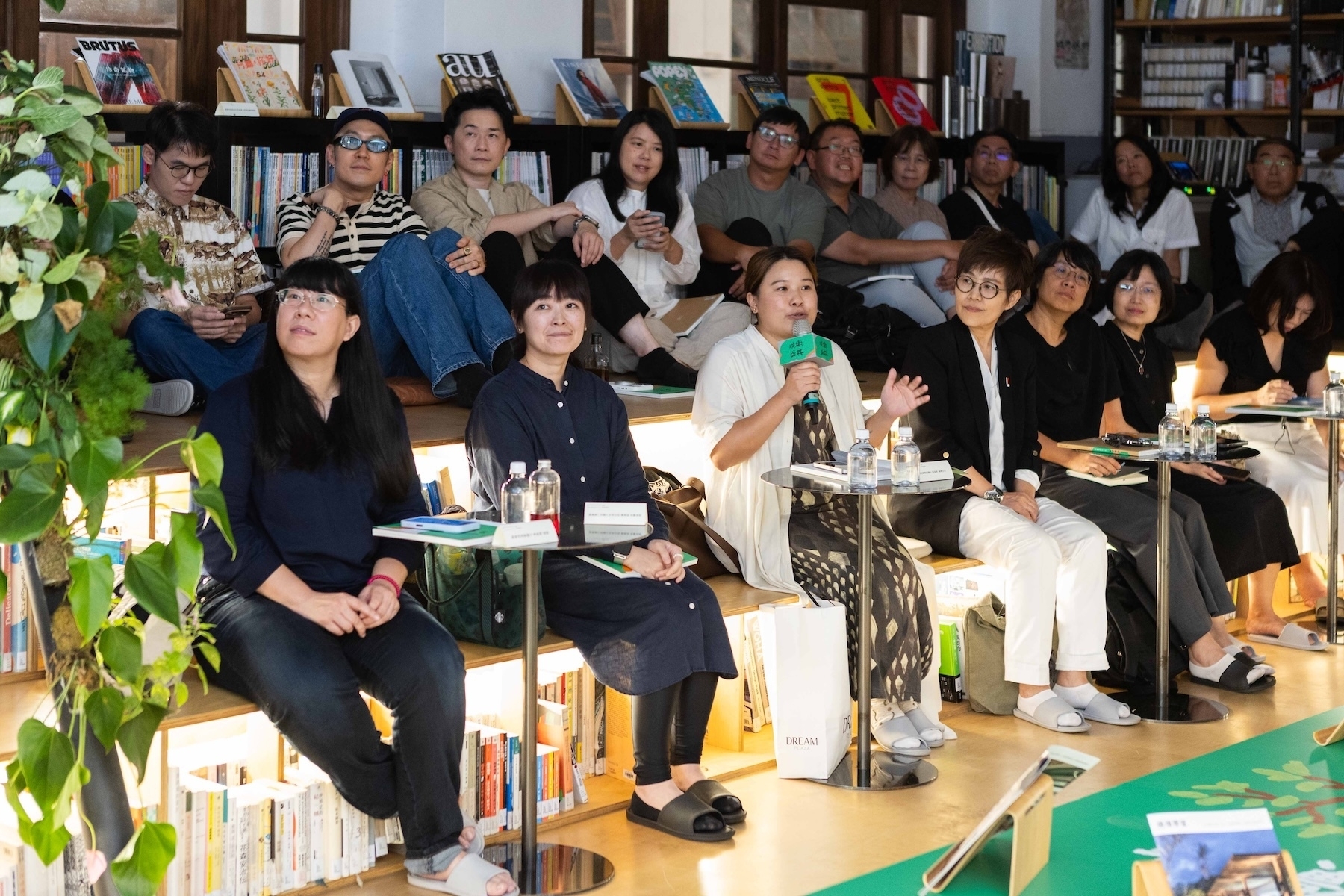
After Transformation: 7 Schools Share How Their Spaces Continue to Make a Difference
Centered on the question, “What happened on campus after the transformation?”, the sharing event invited principals and teachers from 7 schools to reflect on how their transformed spaces have continued to shape campus life after years of use.
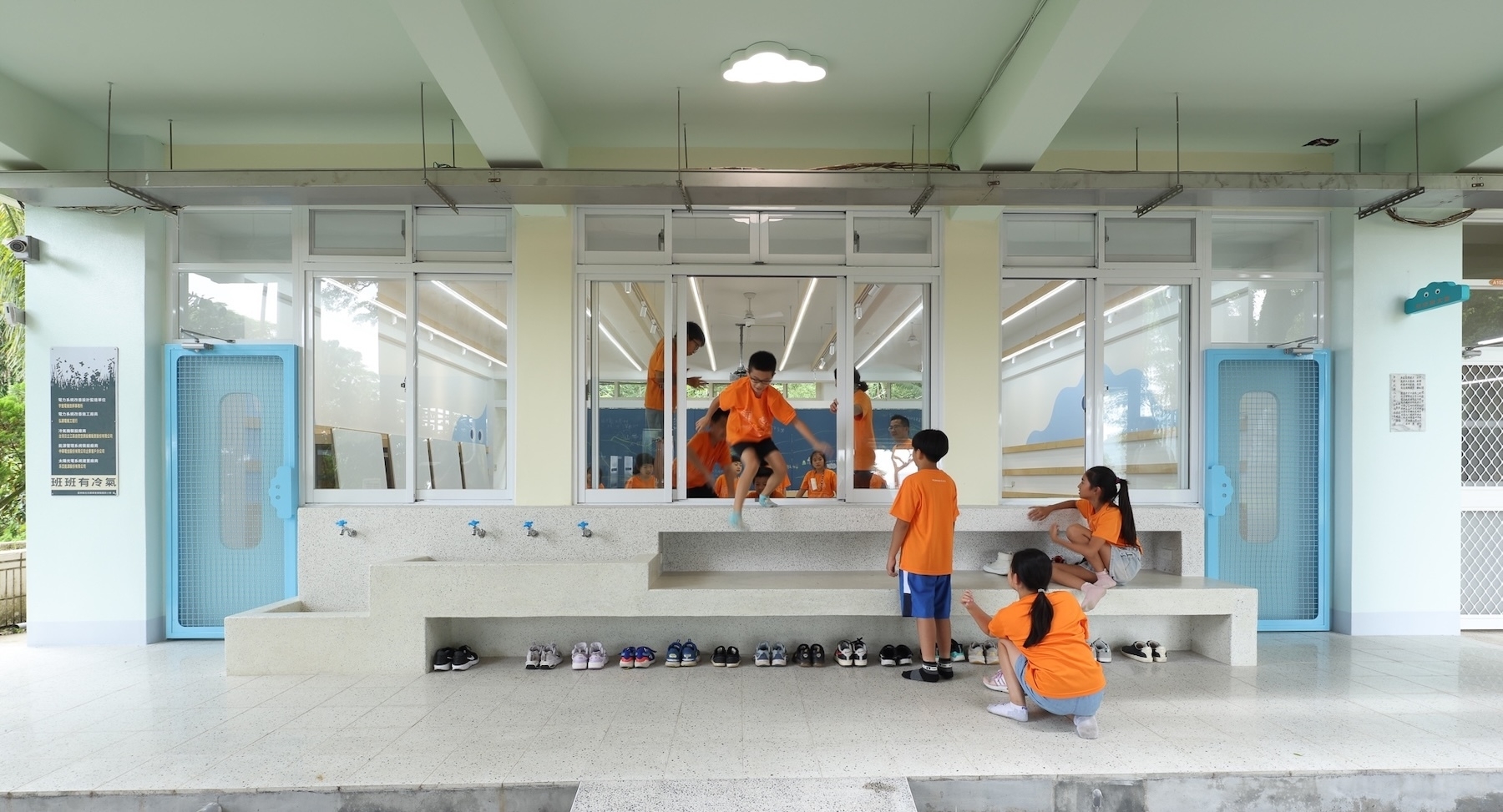
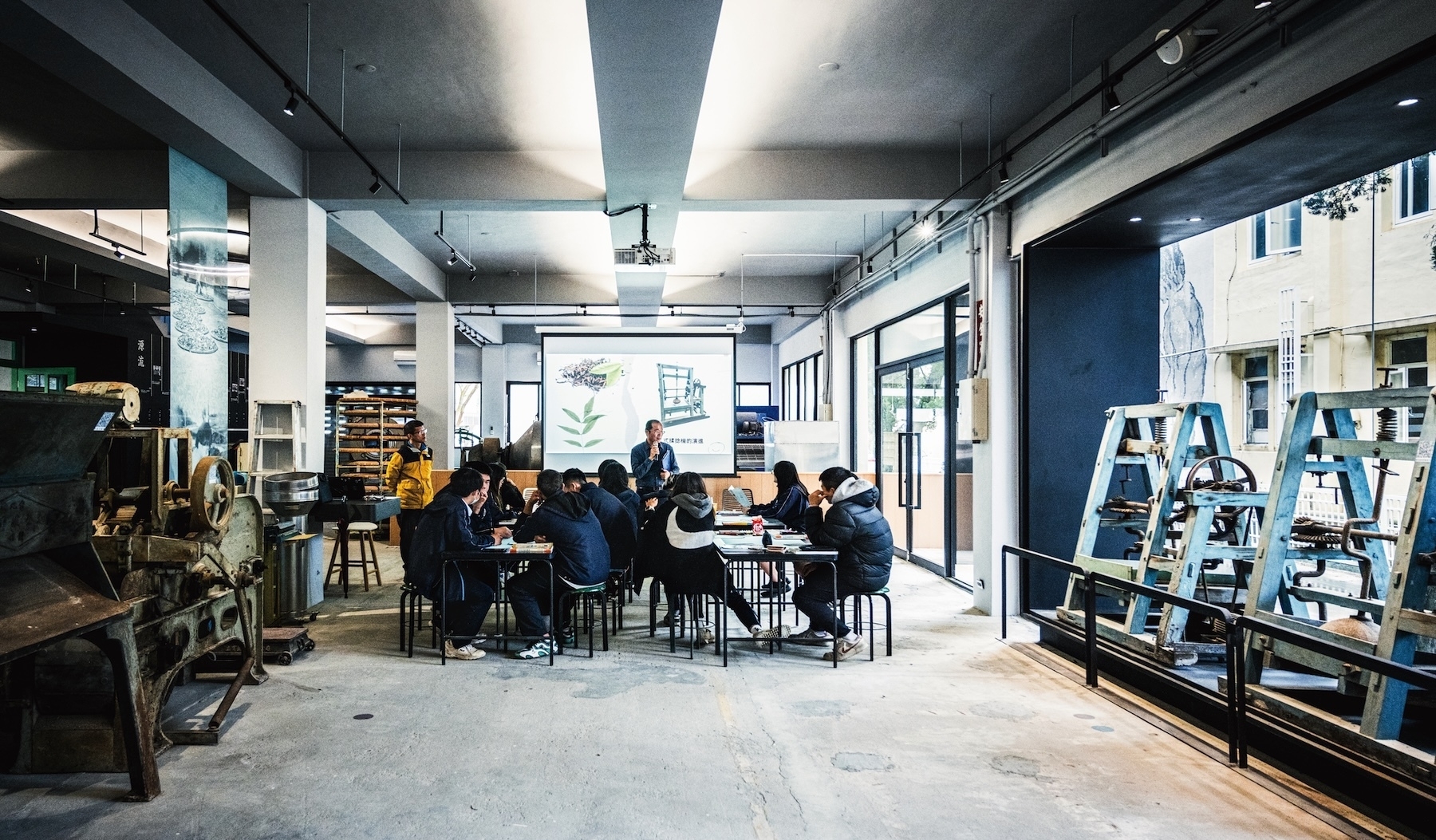
At Yunlin County Huanan Experimental Elementary School, Four Seasons Hill connects classrooms, corridors, and outdoor spaces, allowing reading, discussion, exploration, and presentation to extend naturally across different settings. At Nantou County Chungfeng Elementary School, the school preserved the mahogany trees that had stood alongside the campus through the Jiji Earthquake and developed an open learning environment around the grove, enabling children to observe, explore, and learn through hands-on practice in nature. At National Kuanhsi Senior High School, a once-dormant tea-processing factory was transformed into the Kuanhsi Tea Processing Center, reconnecting interdisciplinary teaching with the local tea industry, school history, and the community.
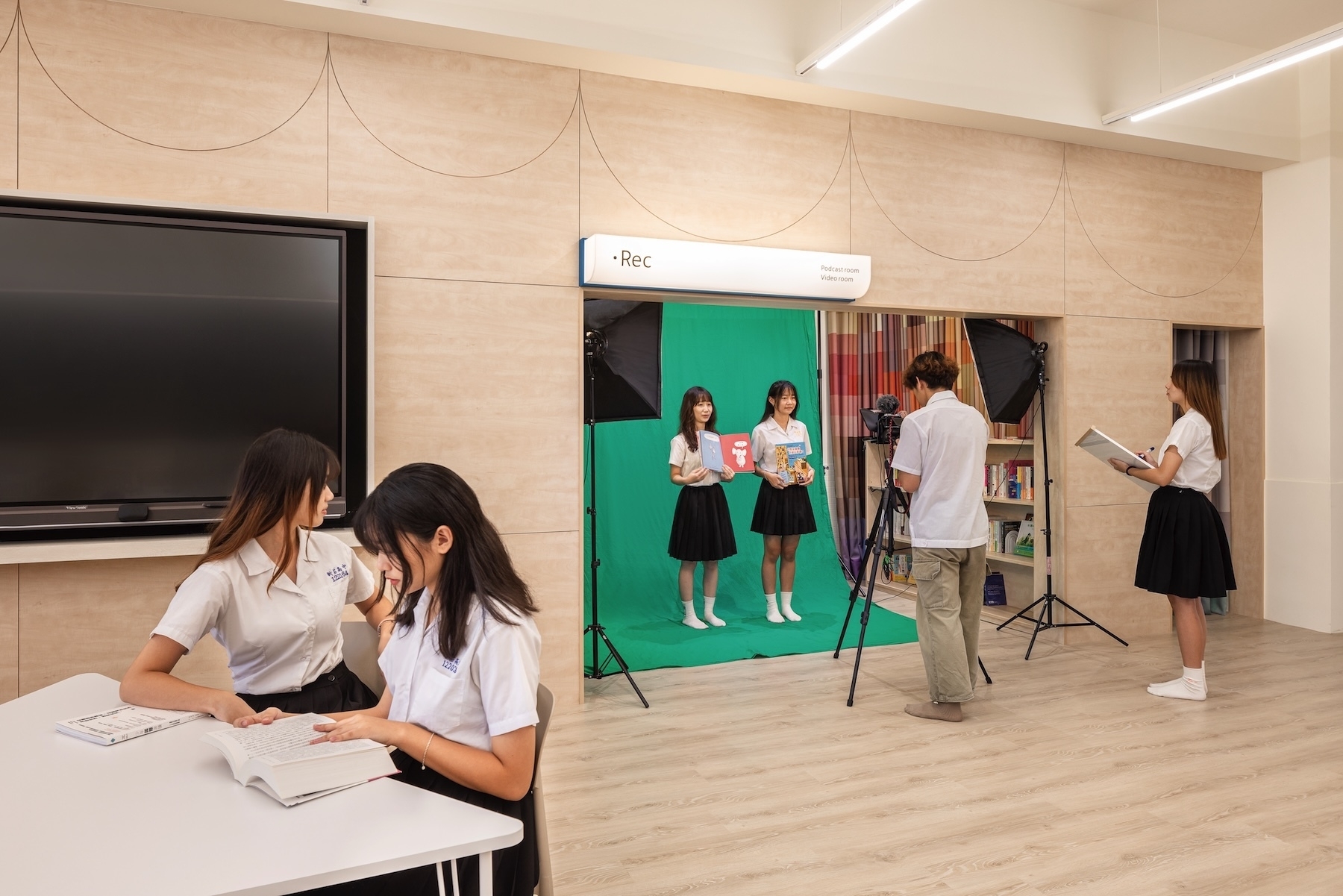
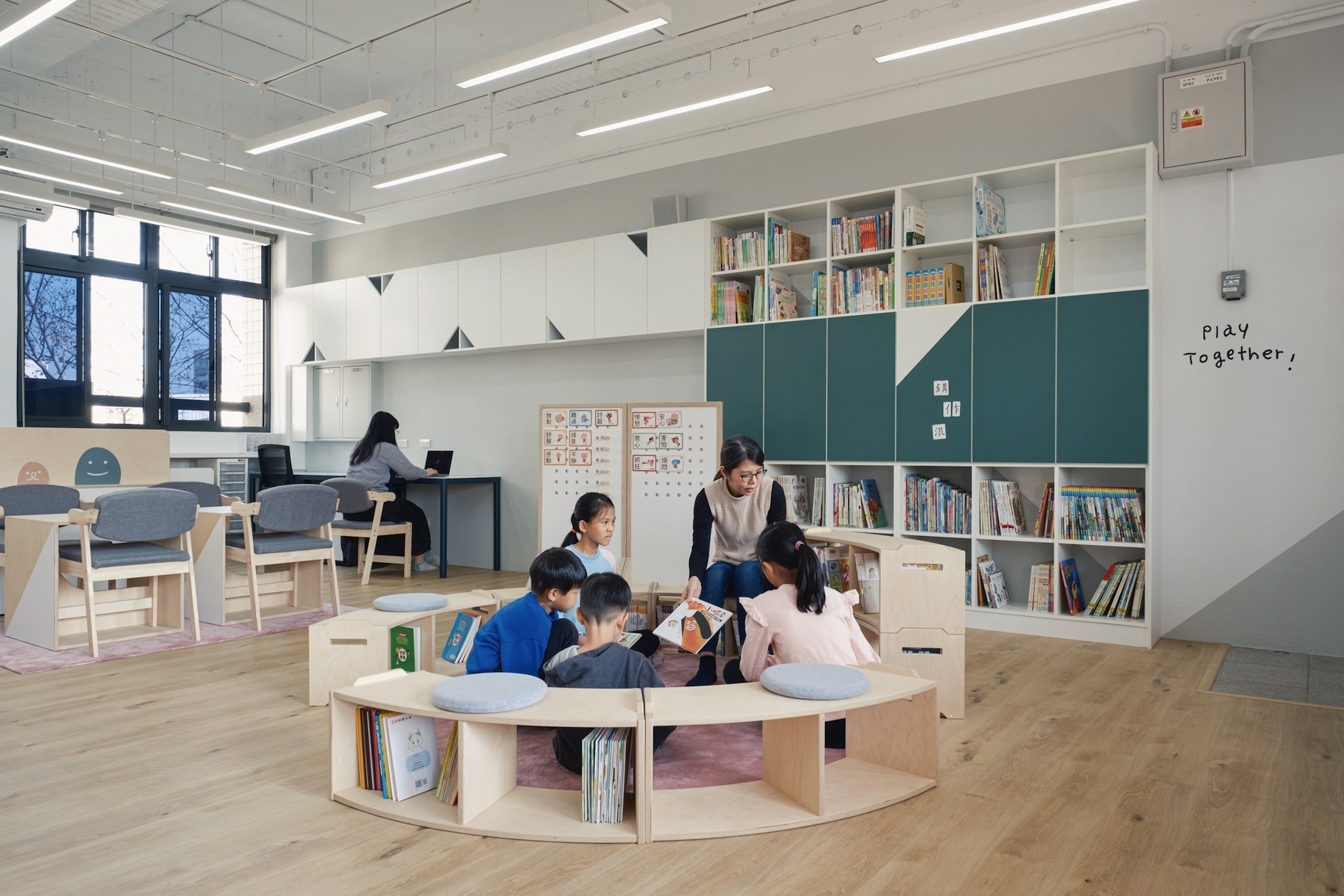
At Kaohsiung Municipal Hsinchuang High School, students developed the The Nova Quest podcast in a new learning space. Starting from questions of their own, they conducted reading, research, and interviews to produce 19 episodes, bringing classroom learning into real-world public issues. At Kaohsiung Municipal Shiwei Elementary School, a more open and welcoming special education environment encouraged students from general classrooms to actively enter the Angel Nomadic Class, turning inclusion from an educational principle into everyday interaction.
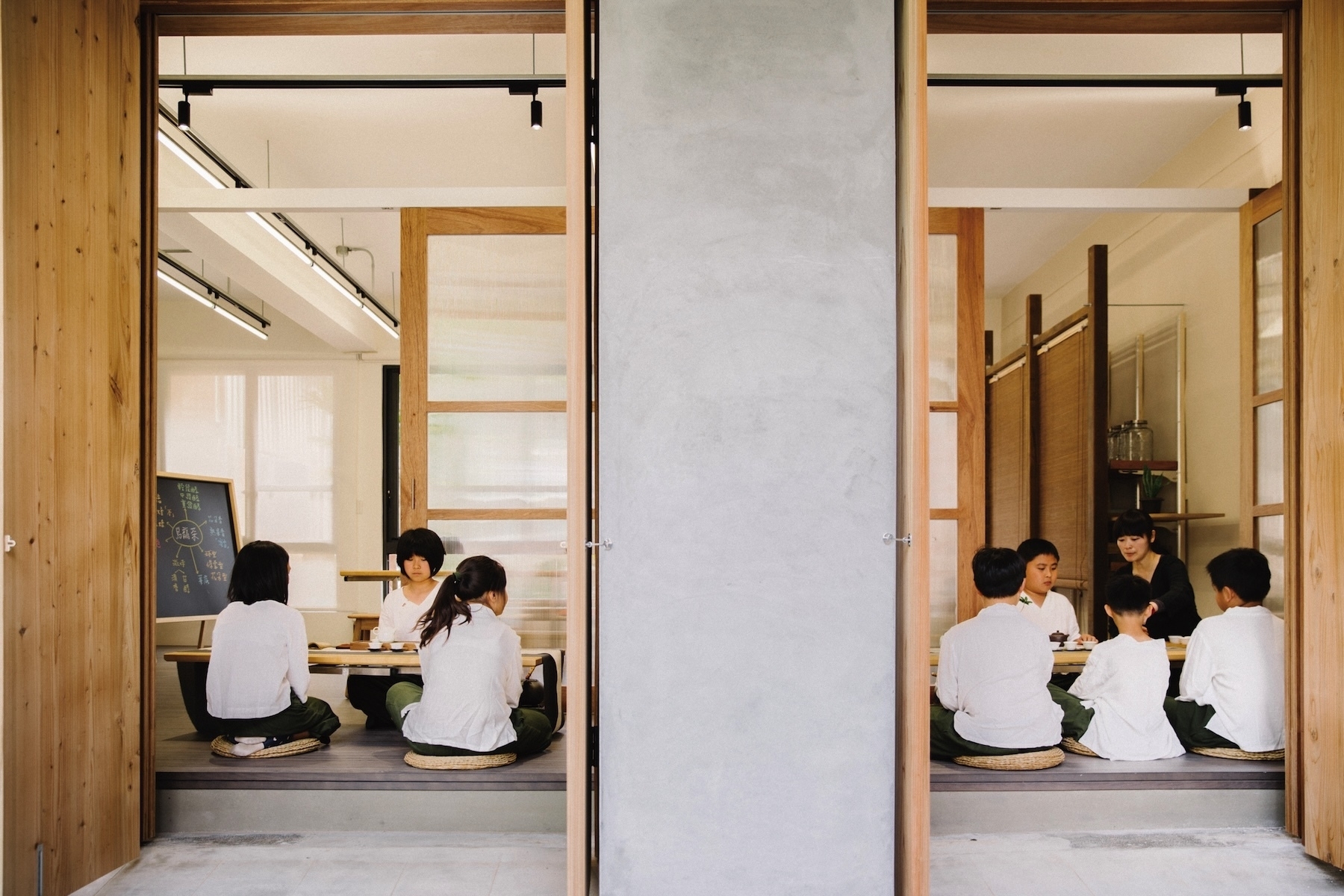
After years of use, the Aesthetic Laboratory at New Taipei Municipal Xintai Junior High School continues to support student creativity while also serving as a starting point for the transformation of other subject-specific classrooms and the broader campus environment. At Chiayi County Renhe Elementary School Taihe Branch, tea has become a way of connecting children with their hometown and the world. Through the Tea Mountain and Water Education Resource Center, the school has further extended its transformation experience through cross-school co-learning.
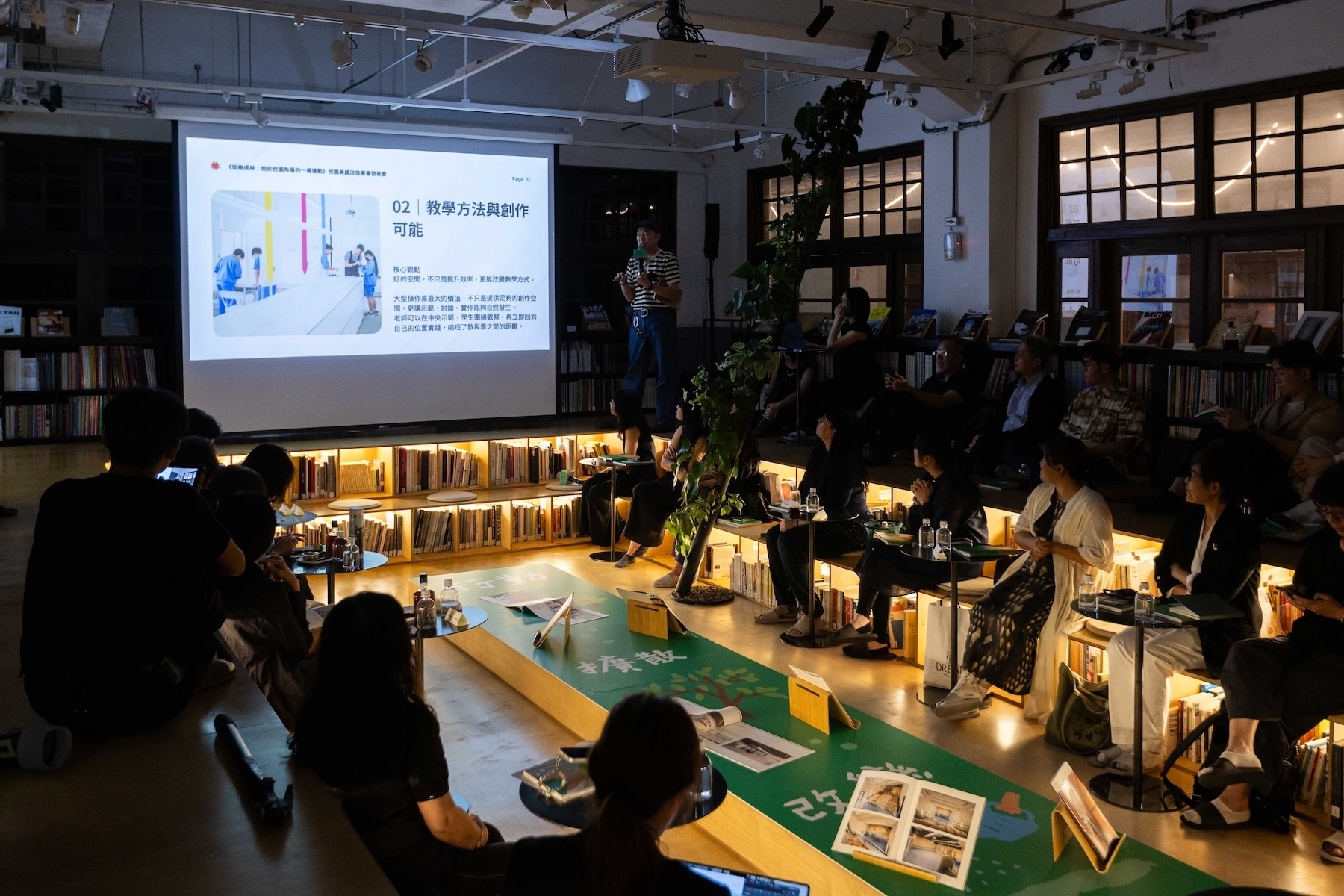
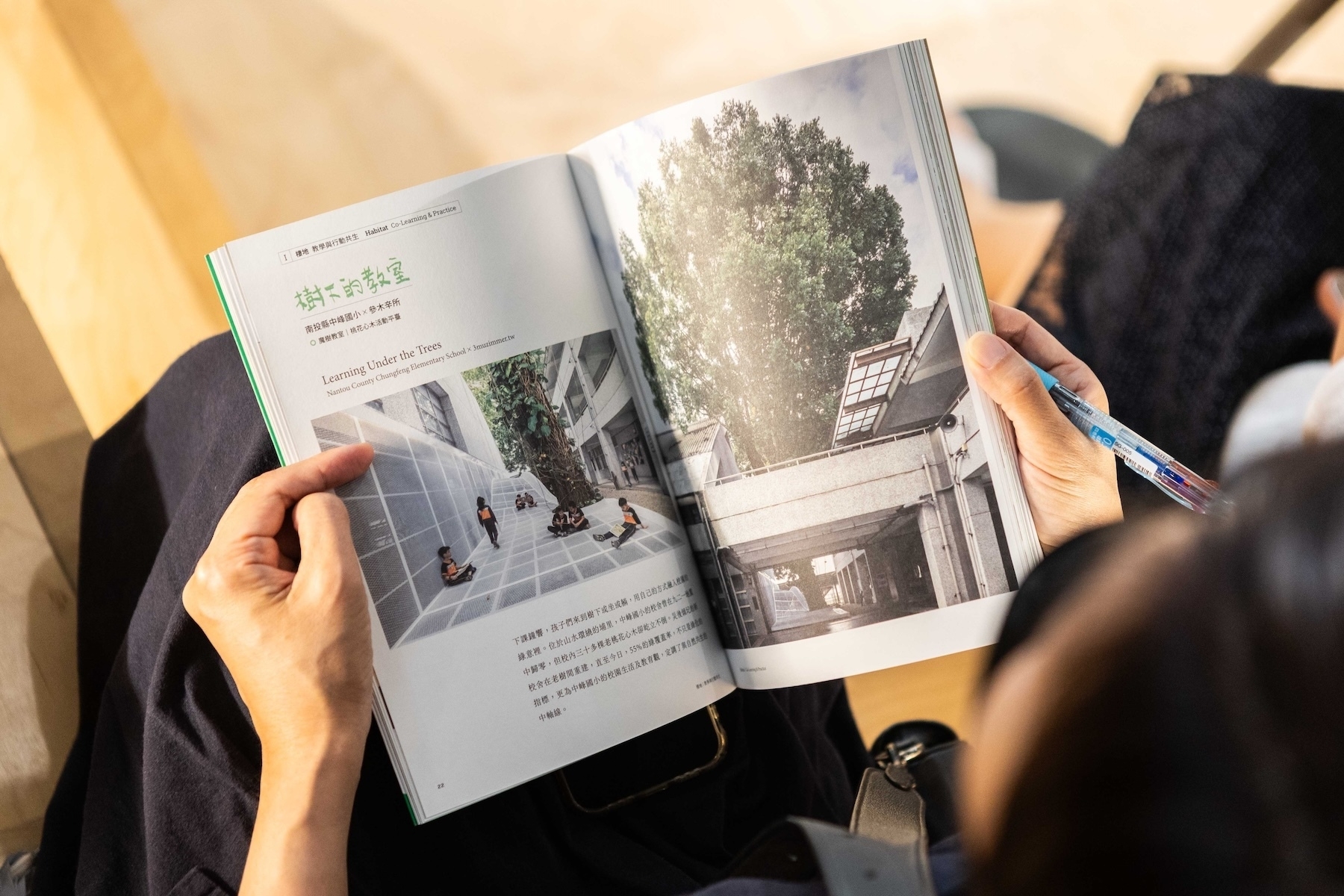
Together, these stories point to one thing: the day a transformation is completed is actually the beginning of change. Its real impact accumulates gradually through every ordinary school day that follows—as teachers continue to use the space, students take an active role, and curriculum and campus culture continue to evolve.
Design as a Method of Collaboration: From Clarifying Needs to Finding the Right Solutions for Each School
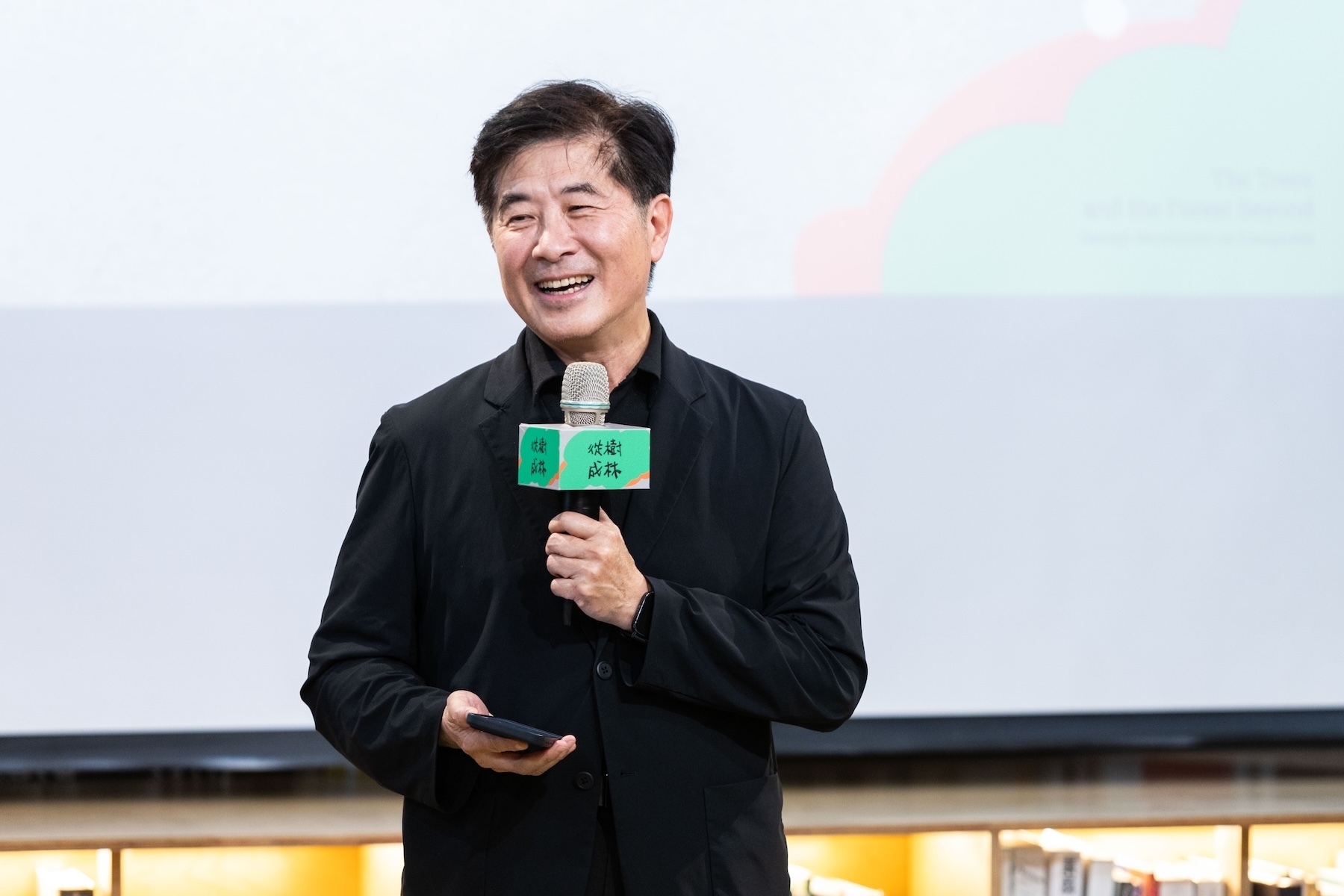
Chang Chi-yi, President of the Taiwan Design Research Institute, noted that the value of bringing design into educational settings lies not only in the visible spatial outcomes, but also in helping schools clarify problems, identify users’ needs, and establish methods for different stakeholders to discuss and work together.
Every school has its own curriculum, students, local culture, and existing conditions. Campus transformation therefore cannot follow a standardized model. Instead, educators, students, design teams, and project partners need to remain in dialogue throughout the process—from identifying problems and organizing needs to building consensus and implementing the design—to jointly develop solutions that best fit each school.
The Trees and the Forest Beyond organizes 8 years of practice into 3 stages: Emergence, Diffusion, and Action. It traces how a single space can transform teaching and patterns of use; how experiences of transformation can spread to other curricula, settings, and communities; and how accumulated experience in collaboration, design, construction, and subsequent maintenance can be translated into a Campus Transformation Guide.
The book also looks back at the transformation of Taiwan’s campus environments and educational thinking from the 1960s through the 2020s, placing individual school projects within the broader context of educational development. More than a compilation of outcomes, the book hopes that the experience accumulated by one school can become a reference for another school as it considers its own questions and actions.
From Demonstration to Action: Empowering Schools to Become Agents of Change
In her closing remarks, Ai Shu-ting, Vice President of the Taiwan Design Research Institute, noted that innovation in public affairs requires sustained communication and repeated adjustment across different professional fields, as well as deeper participation by users in the process of change.
In the next phase, DMOC will continue to explore new approaches to campus transformation. At National Taitung Junior College, for example, designers will work alongside teachers and students to transform classrooms through hands-on making, turning materials, construction methods, collaboration, and responsibility into part of the learning experience. The scope of transformation will also extend to teachers’ offices and kindergartens, reconsidering different learning and working environments from the perspectives of teachers’ work contexts, young children’s physical scale, and their everyday experiences.
The Trees and the Forest Beyond is the first book documenting DMOC’s work in transforming aesthetic learning environments on campuses, as well as a reflection on one stage of the program’s journey. Moving forward, the program will continue to document new practices, methods, and reflections, so that more accumulated knowledge can be seen, shared, and carried forward by the next school.
When the experience of one school can be passed on to another, and when a change in one space continues to transform curriculum, relationships, and campus culture, the seeds of change begin to connect and support one another. From a single tree, a forest slowly takes shape.